


Catching price drops reliably takes automation plus a short weekly check. Manual browsing produces purchases rather than savings.
Automate the Watching
Price alerts do the work that manual checking cannot. Set a target price on each item you intend to buy and let the alert fire, which removes the item from your daily attention entirely. This is the whole system, and the weekly routine exists to maintain it rather than to replace it. Use both the retailer wishlist and an independent tracker. Retailer lists notify you of drops and restocks at that store. Independent trackers show price history across retailers, which is what tells you whether a current price is genuinely low rather than merely lower than yesterday.
Set targets from history rather than from hope. A figure near the low end of the last three months fires occasionally and is worth acting on. A figure below the all time low is a decision never to buy, which is a legitimate choice as long as you recognize it.
Keep the list short. Alerts on forty items become noise and get ignored, which means the one that mattered is missed. Five or six genuine intentions is a system that keeps working.
The Weekly Check
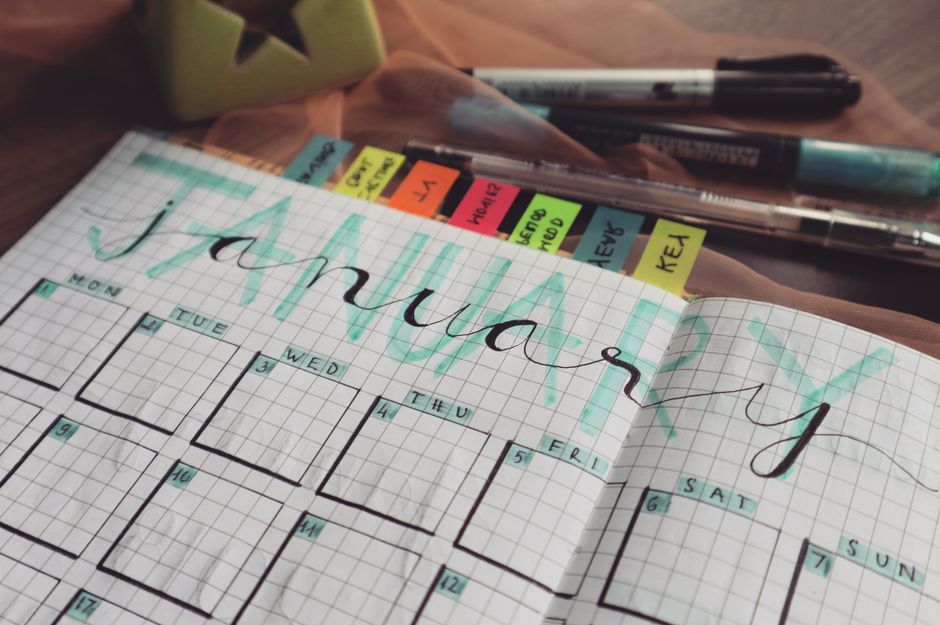
Fifteen minutes once a week covers everything. Review any alerts that fired, decide yes or no on each, and remove anything from the list you no longer want. That last step is the one that keeps the list useful and the one most often skipped. Check your recent purchases against current prices while you are there. Many retailers refund the difference if an item drops within seven to fourteen days of purchase, and almost nobody claims it. On a larger purchase this is a short message for a meaningful refund, and the window is finite.
Look at the contract and renewal dates coming up in the next month. Insurance, broadband, mobile and subscription renewals are where the largest savings sit, and they are all time sensitive. A monthly glance at what is approaching converts automatic renewals into negotiations.
Doing this at a fixed time makes it happen. The task is never urgent, which is exactly why it needs a slot rather than an intention.
What Not to Do
Do not browse as part of the routine. The purpose is to check specific items, not to look at what is on sale, and the second activity reliably produces purchases that were not planned. A routine that includes browsing is a shopping habit with a schedule. Do not check prices daily. Refreshing a product page biases you toward buying to end the uncertainty, and it exposes you repeatedly to the urgency messaging the page is built around. The alert exists so that you do not have to look.
Do not add items to the list because they are on sale. The list is for things you decided you wanted, and populating it from discounts inverts the logic entirely.
Do not extend the routine. Fifteen minutes weekly is sustainable. An hour is not, and a system that is abandoned after a month returns nothing.
Knowing Which Drops Are Real
A genuine markdown shows as a clear step below a long flat line in the price history. A cosmetic one shows as the same price with new labeling, or as a tiny dip presented as an event. The graph answers this in seconds for anything tracked. Watch the shape as well as the level. A sawtooth pattern means the item goes on promotion regularly, so waiting a few weeks will probably work. A long flat line with rare dips means the current price is probably what you will pay whenever you decide. Both are useful conclusions.
Check that the identifier matches. Retail specific variants, bundle versions and regional editions each have their own history, and a steep drop in the graph may belong to a slightly different item than the one in your cart.
Be careful with items that exist at only one retailer, since there is nothing to compare against and the price history reflects a single seller’s decisions rather than a market.
Acting When an Alert Fires
An alert firing is not automatically a purchase. Weeks have passed since you added the item, and the question of whether you still want it deserves asking again. A surprising proportion of alerts produce a removal from the list rather than an order. Where you do buy, do the short sequence properly. Confirm the specification matches what you intended, check the final total with delivery included, apply any code, then activate cashback last and go straight to checkout. That order captures the available savings and avoids breaking the tracking.
Then leave a tracker running on the purchase through the price adjustment window, which is the step that occasionally returns money after the fact for no additional effort.
The overall effect of this routine is less about any individual saving and more about what it prevents. Items sit on a list until a condition is met, which means purchases happen deliberately and a meaningful share never happen at all. That second effect is usually the larger one.
One final refinement is worth adding after a few months. Note which alerts you acted on and which you deleted, because the pattern shows which categories you genuinely buy from and which ones you only browse. Pruning the second group makes the whole routine shorter and more useful.