


The number of outfits a wardrobe produces depends on how many items match each other. Color discipline is the cheapest way to increase that number.
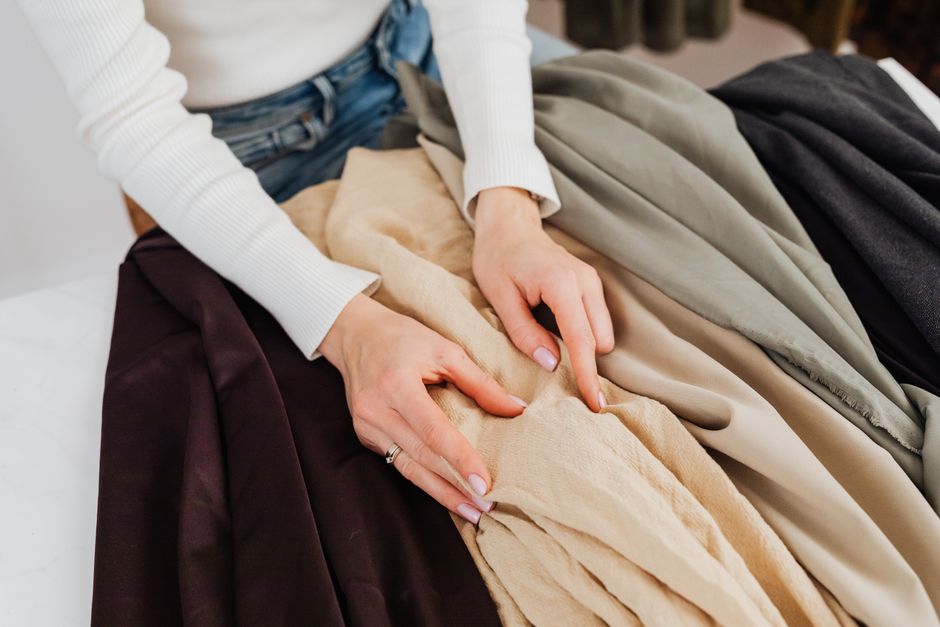
The Arithmetic of Matching
If every top works with every bottom, ten items produce twenty five combinations. If half of them clash, the same ten produce eight. Nothing else about wardrobe planning has this much leverage, and it costs nothing to apply, because it is a selection rule rather than a purchase. This is why wardrobes grow without producing more outfits. Each new item in an unrelated color brings its own matching requirements, works with one or two things, and adds almost nothing to the combinations available. The feeling of having nothing to wear in a full closet is usually this arithmetic rather than a shortage.
The fix is to constrain the structural pieces to a small set of colors. Bottoms, outer layers and shoes inside two neutrals means every top automatically works with everything, which is where the multiplication comes from.
Accents then become free. A top in any color pairs with both neutrals, which means color interest can live entirely in the pieces that are cheapest to buy and easiest to replace.
Choosing Two Base Neutrals
A base pair should include one darker and one lighter neutral. Black and gray, navy and cream, brown and tan, charcoal and stone all work. The pairing matters less than the commitment, since the benefit comes from consistency rather than from any particular combination. Choose based on what you already own most of, which is usually visible from a quick look at the closet. Building around your existing majority means fewer replacements and immediate results, while choosing a new palette means replacing the structural items first, which is expensive.
Consider which neutrals suit the clothes you can actually buy in your size and budget. Black is the most widely available and the least forgiving at low price points, since cheap black fades toward gray and two blacks rarely match. Navy, charcoal and brown are more tolerant.
Shoes and bags should sit inside the base pair, because they are difficult to match and expensive to duplicate. Two pairs of shoes in your base colors cover more outfits than five pairs in assorted shades.
Picking Accent Colors That Work
Accents live on tops, knitwear and accessories, which means they only need to work with your two neutrals rather than with each other. That makes the choice considerably easier than it is usually presented. Two or three accents is enough. More than that and the accents start needing to coordinate among themselves, which reintroduces the problem. The useful test for an accent is whether it looks right next to both base neutrals, which takes thirty seconds with items you already own.
Favor accents in colors you have worn successfully before rather than ones you admire in theory. The evidence is in what you reach for, and most people have one or two colors that recur across years of purchases for reasons that are worth trusting.
Muted versions of a color generally combine more easily than saturated ones. A deep green or a dusty rose works with more than a bright emerald or a vivid pink, which is why the muted version tends to get worn more even when the bright one was more appealing in the shop.
Where Color Discipline Pays Off
Secondhand and clearance shopping become considerably more productive with a fixed palette, because the filter is objective. Most of what you encounter is immediately excluded, which makes the search faster and reduces the purchases that were appealing rather than useful. Travel is the other clear benefit. A capsule in two neutrals plus two accents packs into a small bag and produces a workable number of outfits for a week, which is why packing advice converges on exactly this structure regardless of style.
Replacement becomes simpler too. When a base item wears out, the replacement is specified by the palette rather than chosen afresh, and anything bought to replace it works with everything that was already there.
The constraint also removes a surprising amount of decision fatigue. A closet where everything matches everything is a closet where getting dressed requires no evaluation, which is a benefit most people notice before they notice the financial one.
Making the Transition Gradually
There is no need to replace anything immediately. Add new items inside the palette and let the outliers leave naturally as they wear out. Within a year most wardrobes converge substantially, and the improvement in combinations is noticeable well before that. Start with the structural items. The next pair of trousers, the next jacket, the next pair of shoes inside the base pair. Those constrain everything else, so bringing them into line produces the fastest improvement for the fewest purchases.
Keep the outliers you genuinely love, and accept that they are standalone items. A single beloved piece in an unrelated color is not a problem, and treating the palette as a rule with no exceptions is how people abandon it entirely.
Write the palette down. Two neutrals and two or three accents, in a note on your phone, is enough to carry into any shop or any listing. It is the shortest possible shopping filter and it does more than any longer list, because the items it excludes are exactly the ones that would have gone unworn.
The result is not a uniform wardrobe. It is one where the structural pieces agree with each other and the interest lives in the small items, which is both cheaper to maintain and considerably easier to dress from on an ordinary morning.