

Clothes are damaged more by laundry than by use. Four changes to how you wash extend the life of inexpensive garments substantially, at no cost.
Heat Is What Destroys Clothing
The tumble dryer is responsible for most garment wear. The combination of heat and mechanical agitation breaks fibers, degrades elastic, shrinks natural materials and sets creases permanently. The lint collected in the filter is the garment, removed a little at a time. Air drying removes this entirely. Clothes last several times longer, hold their shape and color, and cost nothing to dry. The objection is time and space, which is real, and the compromise is to air dry the items that matter and tumble the ones that do not. Towels and bedding tolerate the dryer well. Knitwear, anything with elastane, printed items and structured garments do not.
Washing temperature matters nearly as much. Cold or thirty degree washes clean ordinary clothing effectively with modern detergent, use less energy and cause far less fading and shrinkage. Hot washes are needed for genuine hygiene situations and for heavily soiled items, which is a small share of normal laundry.
Reducing heat on both ends of the process is the single highest impact change available, and it also lowers the electricity cost noticeably, which makes it one of the few habits that saves money twice.
Wash Less Often
Most clothing is washed more than it needs to be. Outer layers, jeans, knitwear and anything not worn against the skin can be worn several times before washing, and airing a garment overnight resolves most of what makes it feel unfresh. Wool in particular is self cleaning to a degree and resists odor for many wears. Items that genuinely need washing after each wear are the ones in direct contact with skin for extended periods. Underwear, socks, tee shirts worn alone, and anything worn during exercise. Everything else is a judgment rather than a rule, and the default of washing everything after one wear is simply habit.
Spot cleaning handles the common case of a small mark on an otherwise clean garment. Treating the spot and airing the item takes two minutes and avoids a full cycle, which is both faster and better for the garment.
Jeans are the clearest example. Washing denim rarely preserves color, shape and fabric integrity considerably longer, and the alternative of airing and spot treating works well. Washing inside out in cold water when necessary reduces fading further.
Protect the Vulnerable Items
Mesh laundry bags prevent most mechanical damage. Anything with straps, hooks, lace, embellishment or fine knit survives considerably better in a bag, because the damage comes from snagging and stretching against other items rather than from the water. Turning printed and dark items inside out protects the surface that shows. Prints crack and fade from abrasion against the drum and other garments, and the inside out wash puts the wear on the inside. The same applies to anything with a surface finish or coating.
Close zips and fasten hooks before washing. An open zip is an abrasive edge that will damage whatever it meets through an entire cycle, and it is the most common cause of pulls in knitwear and fine fabrics.
Wash heavy items separately from light ones. Jeans and towels in with shirts and knitwear subjects the delicate items to considerably more abrasion, and separating loads is the easiest improvement to make after lowering the temperature.
Use Less Detergent, Not More
Overdosing detergent is extremely common and counterproductive. Excess detergent does not rinse out fully, leaving residue that stiffens fabric, traps odor and attracts dirt. Clothing that feels rough or smells stale after washing is usually suffering from too much detergent rather than too little. The dosing instructions assume a full load and average soiling. Smaller loads and lightly worn clothing need less, often half the recommended amount. Reducing the dose typically improves results and makes the detergent last twice as long, which is a saving as well as an improvement.
Fabric softener is worth reconsidering entirely. It works by coating fibers, which reduces absorbency in towels, degrades the performance of technical fabrics, and builds up over time. Wool and anything with elastane are better off without it. White vinegar in the rinse achieves the softening effect without the coating, at a fraction of the cost.
Run an empty hot cycle with a cleaning agent occasionally to clear the machine itself. A machine with residue and biofilm in the drum and seal transfers odor to clean laundry, which is the usual cause of clothes that smell musty immediately after washing.
Repair and Maintenance Between Washes
Pilling is the most common reason inexpensive knitwear is retired, and it is reversible. A sweater comb or a fabric shaver removes pills in a few minutes and restores the appearance substantially. Doing this a couple of times a season keeps cheap knitwear looking acceptable for years rather than months. Loose buttons and small seam splits are quick to fix and are the other common cause of premature retirement. Learning two basic repairs covers most failures in everyday clothing, and the tools cost very little. A garment repaired within a week of the problem appearing is a garment still in use.
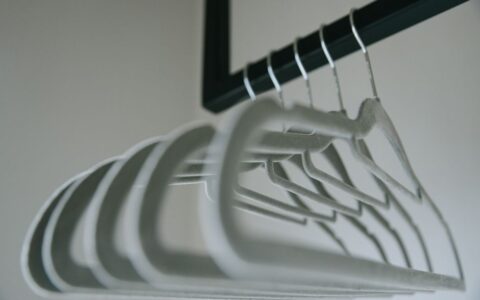
Store knitwear folded rather than hung, since hanging stretches the shoulders permanently. Hang structured items on shaped hangers so they keep their form. These are free choices with a visible effect over a year.
Treat shoes and leather items on the same schedule as the laundry. A quick polish or a waterproofing spray every few months prevents the cracking and water damage that ends most footwear, and it is the maintenance task with the highest visible return of any of them.