

Shoes and bags are the most visible items in an outfit and the most variable in quality. The split between where to spend and where to save is fairly clear.
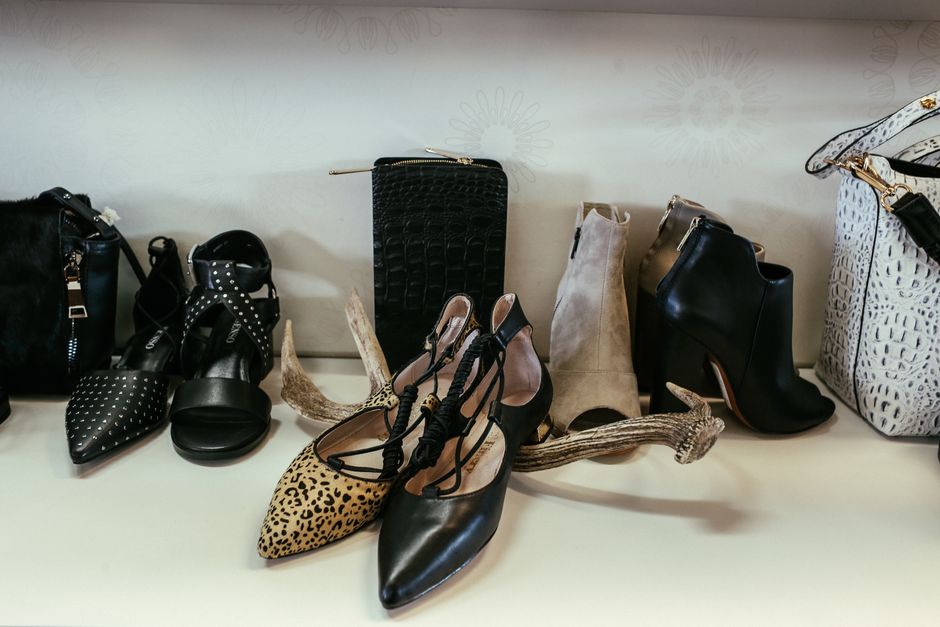
Everyday Shoes Justify Spending
Footwear worn most days accumulates hundreds of wears a year and absorbs more physical stress than anything else you own. At that volume, construction is the entire product, and the ability to repair rather than replace changes the arithmetic completely. A stitched or welted sole can be replaced several times, which means a well made pair bought once can last a decade at a lower annual cost than cheap pairs replaced yearly. Cemented construction, where the sole is glued, cannot be resoled meaningfully, which caps the lifespan at the life of the bond.
Comfort compounds the case. Shoes worn for hours affect how the day feels, and the difference between adequate and poor support is immediate rather than theoretical. This is also where cheap footwear fails most noticeably, through insoles that compress flat and heel counters that collapse.
The premium is worth paying up to a point and then flattens. The improvement from cheap to good is substantial. The improvement from good to expensive is usually marginal, which means mid range well made footwear captures nearly all of the benefit.
Occasional Shoes Do Not
A pair worn a handful of times a year has no use for durability, and spending on construction you will never consume is waste. Formal shoes for occasional events, sandals, a second pair of sneakers, anything seasonal and rarely used. The inexpensive option is correct here. Within the budget range, the details still matter for comfort rather than lifespan. A firm heel counter, a replaceable insole and some room for a thicker sock make an inexpensive pair considerably more wearable, and these are assessable from photographs and descriptions.
Rotation extends the life of cheap shoes more than anything else. Wearing the same pair daily keeps the lining damp, which accelerates breakdown of materials and adhesive. Two inexpensive pairs worn alternately last well over twice as long as one worn continuously.
Protecting the sole early is the one repair available on glued construction. A thin rubber half sole fitted by a cobbler costs little and substantially extends the life, provided it is done before the original sole wears through.
Bags Depend on How You Carry Them
A bag used daily, loaded with weight, opened and closed constantly, is a durability purchase. The failure points are the zip, the strap attachments and the base, and cheap versions fail at all three within a year or two of heavy use. A bag used occasionally is an appearance purchase and the cheap version performs identically. Hardware is the clearest quality signal and is visible in photographs. A branded, heavy, evenly toothed zip is a different component from a thin unmarked plastic one, and on a bag that opens several times a day it is the difference between years and months.
Structure is the other signal. A bag that holds its shape when set down looks considerably better than one that slumps, and the lining is usually what provides that. A listing with no interior photograph on a structured bag is often telling you there is nothing inside holding the form.
Material matters less than people assume for appearance and more for longevity. Canvas and textile bags wear thin rather than cracking, which ages acceptably. Coated synthetics crack at flex points once the coating fails, which is sudden and highly visible.
What to Look For at Each Price Level
At the budget end, favor simple shapes, matte finishes, no visible branding and plain colors. Each of these is cheaper to execute well, and the result reads better than an inexpensive item with elaborate hardware and contrast stitching that was rushed. In the mid range, the things worth paying for are lining, hardware quality and repairability. A bag with a proper lining and a good zip, or shoes with a stitched sole, are the specific features that justify the step up, and they are usually stated in the description because they are selling points.
At the top end, the premium is increasingly about brand rather than construction, with some genuine exceptions in traditional shoemaking and leather goods. Judging whether the additional cost buys anything requires looking at the construction details rather than the price.
Suede deserves a specific mention as the best value material at lower price points. It is durable, forgiving of scuffs, easy to maintain with a brush, and hides the lower grade hide that would show if finished smooth. Water is its weakness and a proofing spray largely resolves it.
Secondhand Changes Everything
Because quality shoes and bags hold function while losing resale value rapidly, the secondhand market is where the best value in both categories sits. A well made used pair in good condition frequently outperforms a new cheap one at the same price. The assessment is the same as buying new. For shoes, check the heel counter firmness, the sole condition and whether the construction allows resoling. For bags, check the zip operation, the strap attachments and the base corners, which is where wear concentrates.
Resoling a used quality pair is the standard move and it is what makes this work. The cost of a resole plus a used pair is frequently less than a new mid range pair and produces something better made.
Condition is also the great equalizer at any price. Clean, polished shoes and a maintained bag read as expensive regardless of cost, while scuffed footwear and worn corners read as cheap even on genuinely expensive items. Five minutes of maintenance does more for appearance than most of the price difference.